
Cutting-edge technology to optimise solar energy production
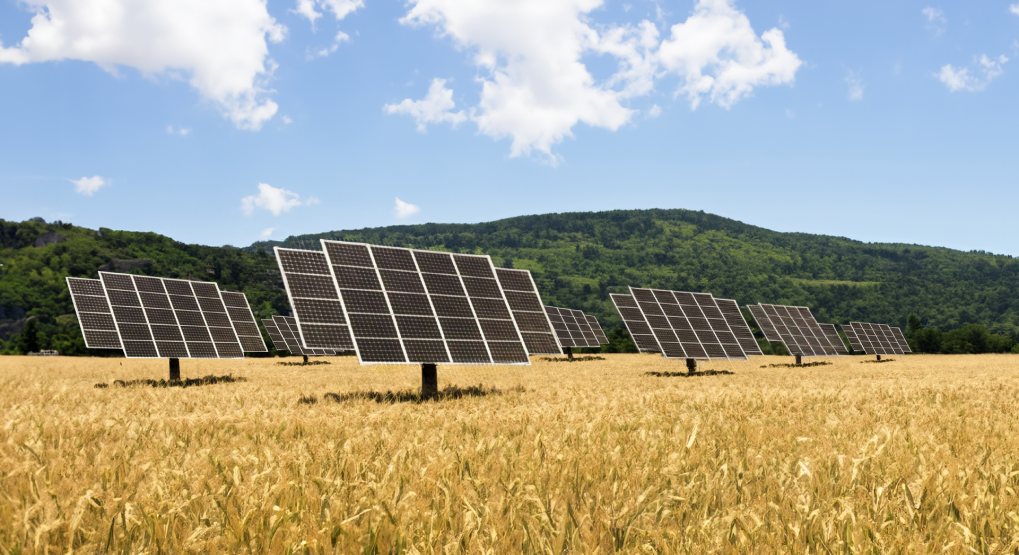
A photovoltaic panel's electricity output depends on the amount of sunlight that hits it: to optimise this output, the sun's rays must strike the panel perpendicularly. In traditional photovoltaic plants the panels are fixed and oriented to the south, with a tilt of between 29° and 35° depending on latitude, to maximise irradiation. Proteo Engineering offers cutting-edge technology to optimise solar energy production and increase crop yield. Thanks to automated solar-tracking movement managed by artificial intelligence, optimal soil conditions are guaranteed. This innovative system constantly keeps the angle of incidence of the sun's rays ideal, orienting the panels towards the sun. The moving structures, called solar trackers, are controlled by light sensors or advanced software that follow the apparent movement of the sun from east to west. The use of artificial intelligence and dedicated sensors maximises the system's yield, with an average increase of 20%.
Dual-axis solar tracking technologies
Proteo Engineering's trackers allow variations in both the orientation and the tilt of the panels relative to the horizontal. Tracking systems can be controlled by software that calculates the sun's position at any moment, or by photosensitive cells that direct the panels towards the most intense light source. GPS technology can also be used to ensure the panels return to their starting position towards the east at the end of the day. Advanced solar trackers are equipped with sensors to detect wind speed, air humidity and other characteristics, allowing the system — via artificial intelligence — to position itself automatically horizontally in strong winds, or vertically in case of possible hail, thus protecting the integrity of the plant.
Advantages and benefits
Installing a Proteo Engineering photovoltaic system with solar trackers involves a slightly higher initial investment than a fixed plant, but this cost is amply justified by the benefits in terms of yield: a solar-tracking plant can increase electricity production by up to 20% for dual-axis systems, significantly boosting economic returns. These systems offer a flexible solution for those who want to install photovoltaic panels without mounting them on the roof: they can be placed directly on the ground, keeping an adequate distance from the house or buildings to avoid shading that would compromise their efficiency. They also require smaller surfaces than traditional plants, allowing the agricultural area in cultivated zones to be fully exploited.
Applications in the agricultural sector
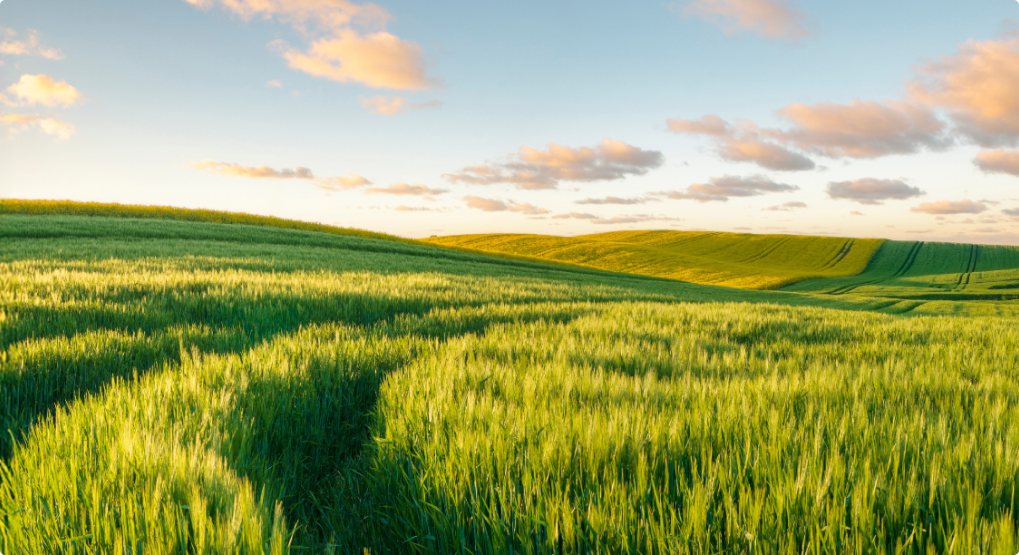
In the agricultural sector the advantages are clear: the system makes it possible to keep crops growing without losing production, monitoring soil moisture through thermometers, hygrometers and other sensors. Depending on the type of crop, the amount of heat present, solar irradiation and the time elapsed since the last rain or irrigation, a dedicated smartphone app provides indications on current irrigation needs and required treatments, storing everything and comparing it with the historical data.
Thanks to solar-tracking systems, crops receive the most suitable exposure to light, improving photosynthetic efficiency. Continuous monitoring of environmental conditions keeps the parameters optimal for crop growth. This technological combination not only reduces water waste but also improves resource management, making agriculture more sustainable and profitable.
Conclusions
Proteo Engineering's automated solar-tracking movement technology represents a significant step forward in the field of intelligent photovoltaics. The systems developed offer an innovative solution to maximise solar irradiation and react proactively to climate variations, ensuring greater energy and agricultural yield. This technology not only improves productivity but also promotes sustainability, contributing to a greener, more efficient future. Farmers and energy-sector operators can gain enormous benefits from adopting these advanced systems, which represent the future of solar energy and precision agriculture.